
How to Quit Smoking for Good (and Actually Stay Stopped)
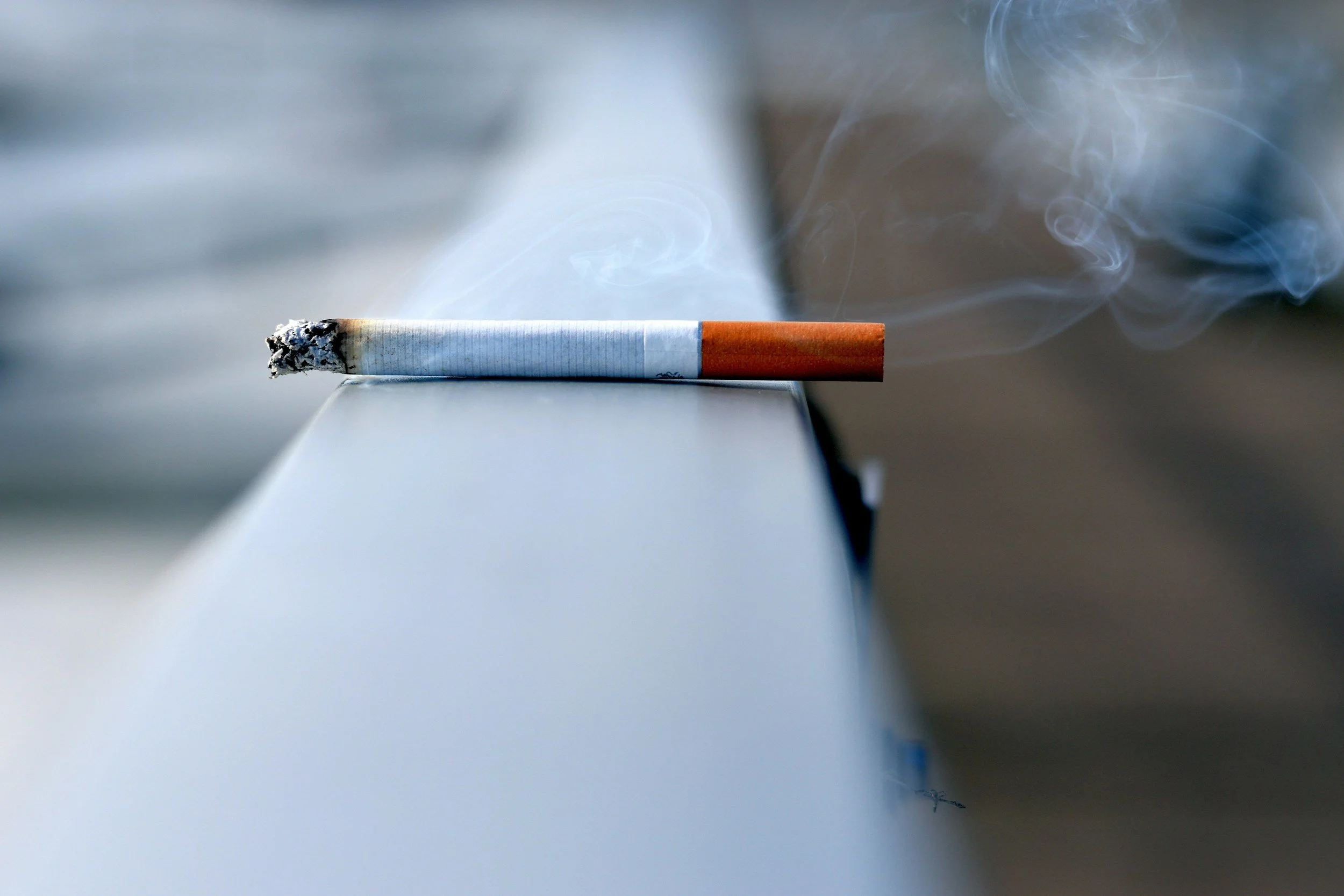
Quitting isn't the hard part — staying stopped is. In-person stop smoking hypnotherapy for Albury Wodonga and surrounds.
Here's something most people don't realise: quitting smoking isn't actually that rare. Most smokers who want to stop have already done it — for an afternoon, a week, a New Year's resolution that made it to February. The cigarette going out isn't the hard part.
The hard part is three weeks later, when work's gone sideways, or you're three drinks in with old friends, and your hand just… reaches. That's where it actually gets decided. Not on day one.
If you've quit before and gone back, that doesn't mean you're weak-willed or that you can't do this. It means you did what almost everyone does. What's missing usually isn't willpower — it's a plan for that moment, built before you're standing in it.
The numbers, right now
Australia's smoking rate has just hit a historic low. According to the 2025 National Drug Strategy Household Survey, daily smoking among adults has fallen to 5.8% — down from 20.1% back in 2001. More than 90% of Australians now don't smoke at all.
And here's the part that matters most for anyone still smoking: research keeps finding that around 9 in 10 people who smoke wish they'd never started. Almost nobody wants to still be doing this. Wanting to quit was never the issue.
Tobacco use is still linked to dozens of deaths across the country every single day — which is exactly why "I'll get to it eventually" isn't really a neutral choice to make.
Why quitting doesn't "stick" the first time
This is the bit nobody tells you at the chemist counter:
Fewer than 5% of quit attempts made without proper support last a full 12 months.
Close to 75% of people who quit relapse within six months.
Most relapses don't happen on day one — they happen in the first few weeks, once the novelty wears off and life goes back to normal.
On average, it takes several serious attempts before a quit actually holds for good
None of that is a character flaw. It's just what the data says happens when someone tries to override a well-worn habit with willpower alone, on a random Monday, with no real plan for the hard days ahead.
It's rarely just about the cigarette
Here's something I see constantly in the room, and something research backs up too: quitting smoking is rarely only about the nicotine. The way a person responds to stress — how wound up they get, how fast they reach for relief, what "relief" even means to their nervous system — is shaped by a lot more than the last ten years of smoking. It's shaped by patterns laid down long before the first cigarette ever got lit.
Studies on stress response and relapse consistently find that people with a more reactive stress system tend to have a harder time with withdrawal and a higher risk of going back. That's not about willpower. That's biology and history working together, usually completely invisibly to the person going through it.
You don't need to go digging through your past to quit smoking. But if a plan only deals with the cigarette and ignores everything underneath it, it's working with one hand tied behind its back.
Why hypnosis, and why it works fast
This is one of the most quoted comparisons in the field, and it's worth knowing. A review by psychologist Dr Alfred Barrios looked across three major approaches to lasting behaviour change and found:
Psychoanalysis — 38% success rate, after an average of 600 sessions
Behaviour Therapy — 72% success rate, after an average of 22 sessions
Hypnotherapy — 93% success rate, after an average of just 6 sessions
That's not a typo. Six sessions of hypnosis outperforming 600 sessions of psychoanalysis. Even allowing for the fact that this research has been around a while and gets (rightly) picked apart by the odd sceptic, the pattern keeps showing up in newer studies too — hypnosis working faster than most people expect, especially for habit-driven behaviours like smoking.
It's exactly why this program isn't a year of weekly appointments. It's built to get the real work done properly, in the time it actually needs — not dragged out for the sake of it.
How the program actually works
This program runs in person — two consecutive days together in the room, not a video call.
Because early days matter so much, I don't run this as a single one-off session and a good-luck handshake.
Day 1 — 2 hour session. We lay the real groundwork: what's driving the habit, what it's actually doing for you, and the mental shift that needs to happen before anything else will hold.
Day 2 — 2 hour session, the very next day. Back to back on purpose. This is where we bed it in properly — reinforcing the change while it's fresh, not weeks later once old patterns have had time to creep back in.
Follow-up — 1 hour session, a few days to a week or so after, if it's needed. This lands right in that high-risk window that some people relapse in — so instead of white-knuckling through it alone, you've got support exactly when it counts.
The investment
$1,000, paid in cash at your first session. No easy painless ‘taps’ with a card, but notes that you can feel the weight of as you count them out.
This isn't an open booking — it’s not for everybody
I don't take walk-in or automatic bookings for this program. You contact me, we have a conversation, and I make sure it's genuinely the right fit before we lock in your appointments. This work goes deep in a short amount of time, and that only works well when the person on the other side of it is ready and genuinely committed.
If you're done being "the person who's trying to quit" and ready to actually become a non-smoker — for good — call, or contact me below.
Apply for the Stop Smoking Program →
Warmest to You,
Karen
Sources: Australian Institute of Health and Welfare, National Drug Strategy Household Survey 2025; Australian National University, Centre for Epidemiology and Population Health; Dr Alfred Barrios, "Hypnotherapy: A Reappraisal"; peer-reviewed research on smoking cessation relapse and early-life stress response (published in journals including Psychopharmacology and the International Journal of Mental Health and Addiction).